
Molecular characterization of human papilloma virus from women attending selected hospitals Abuja, Nigeria
Keywords:
Papillomavirus infections, Cervical smear, Polymerase Chain Reaction, NigeriaAbstract
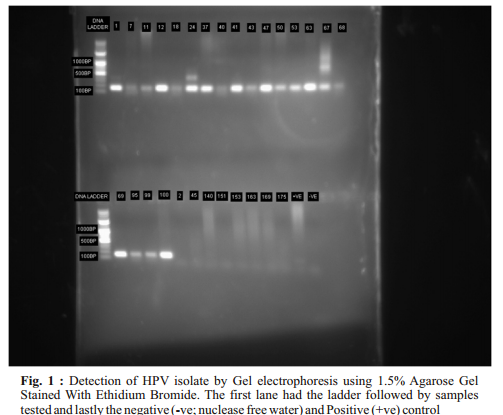
Human Papilloma Virus (HPV) infection is the leading risk factor for cervical cancer and other cancers, persistent infection leads to disease progression. About 40 HPV species have been identified to be associated with the genital mucosal, which are categorized according to their carcinogenic potential. The aim of this study was to identify the strains of HPV among women attending selected hospitals in the Federal Capital Territory, Abuja, Nigeria. The study was hospital based, where cervical swab samples were randomly collected from 501 women. Structured questionnaires were administered to the women, after an informed consent had been obtained from the women. Cervical swabs were collected from the cervix and DNA was obtained by extraction. PCR method was done using consensus primer sets MY09/MY11 and GP5+/GP6+. HPV DNA sequencing was done using Sanger Method. The HPV types identified were HPV 6 (6.67%), HPV 16 (13.33%), HPV 18 (13.33%), HPV 58 (13.33%), HPV 70 (33.33%), HPV 72 (6.67%) and HPV 81 (13.33%). The most prevalent type identified was HPV type 70. High risk type identified included HPV16, 18 and 58.Based on the results there is a need to increase the level of surveillance on females at risk of cervical cancer in this environment, since significant proportion of highly
oncogenic strains with a high tendency to transform into malignancy were observed in this study. The results from this study also contributed to the epidemiological data on the distribution of HPVwithin this region.